
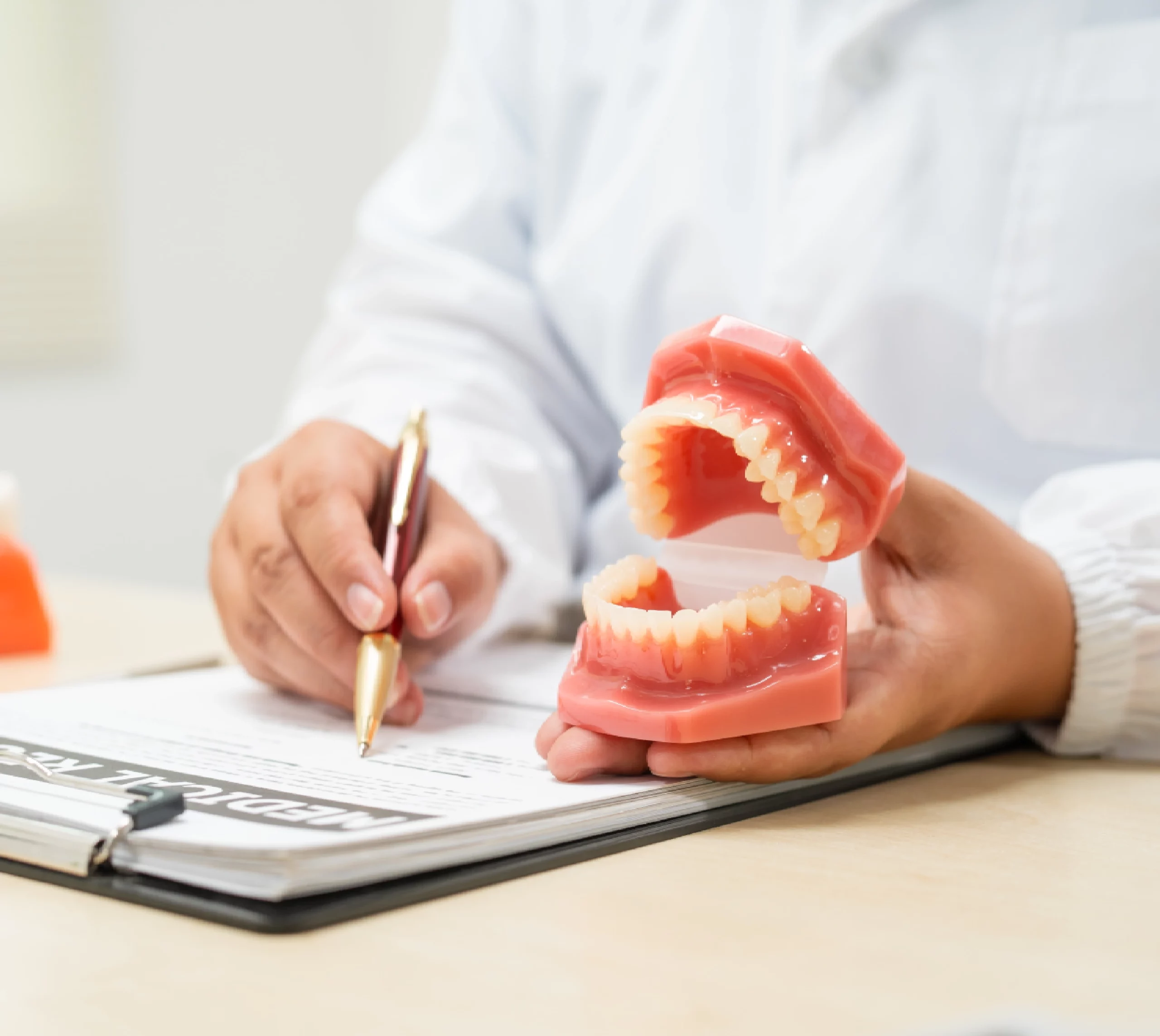
If you are experiencing discomfort with your dentures, such as a gag reflex, loose fit, or irritation, you’re not alone. These issues are common and can often be resolved with proper care, adjustments, or, in some cases, a replacement. Understanding the lifespan of dentures and recognizing when they need attention can make all the difference in your oral comfort and functionality.
It’s important to keep in mind that dentures, while highly effective in restoring your smile and chewing function, are not designed to last forever. Over time, dentures may wear down or become ill-fitting, causing discomfort or other problems. However, before assuming the need for a replacement, it’s always wise to consult your dentist. Many times, a simple repair or adjustment can restore comfort and functionality to your dentures.
Signs That You Need to Replace Your Dentures
Understanding when it’s time to replace your dentures is crucial in maintaining your overall oral health and comfort. Here are the key signs that your dentures may need replacing:
1. Loose or Ill-Fitting Dentures
Well-fitted dentures should remain securely in place without shifting or falling out. If your dentures feel loose, slip, or fall out during regular activities, it’s time to schedule a visit to your dentist. While denture adhesives may offer temporary relief, only a dentist can provide a long-term solution, either by adjusting your existing dentures or recommending a full replacement.
2. Difficulty Speaking Clearly
Loose dentures can cause speech problems, making it difficult to speak clearly. If you’re noticing slurring or mumbling in your speech, it’s a sign that your dentures are not fitting properly and may need adjustment or replacement.
3. Discomfort or Gum Issues
Properly fitting dentures should not cause pain. If you experience discomfort while chewing or biting, or if your gums are sore, inflamed, or show signs of infection, it’s time to consult your dentist. Pain or gum irritation may indicate that your dentures are misaligned or worn down, requiring refitting or replacement.
4. Visible Damage or Discoloration
If your dentures are cracked, chipped, or severely discolored, they may be past their prime and in need of replacement. While regular care can prevent staining, some discoloration is inevitable over time, especially with certain beverages or foods. Damaged or severely stained dentures can also affect your smile’s appearance and comfort.
How Long Do Dentures Last?
While dentures are durable, they will not last a lifetime. The longevity of your dentures depends on factors such as the type of dentures, the material used, and how well you care for them. On average, dentures can last anywhere from 5 to 15 years with proper maintenance.
However, as your mouth changes over time—due to factors like gum shrinkage and jawbone changes—your dentures may no longer fit as they once did. This is a natural process, and adjustments or replacements may be needed to ensure a comfortable fit.
1. Full Dentures vs. Partial Dentures
Full dentures, which replace all of your natural teeth, typically last between 5 and 10 years. Partial dentures, which replace only a few missing teeth, tend to last a bit longer, up to 15 years. During this time, both your dentures and mouth will undergo changes, which may result in an improper fit or discomfort.
2. Immediate or Temporary Dentures
Immediate dentures are temporary solutions that are placed right after the extraction of natural teeth. These dentures are typically worn for about two to three months while your gums heal and your permanent dentures are being prepared. Since immediate dentures are made to fit your mouth at the time of extraction, they may need adjustments as your gums heal and change shape.
How to Increase the Lifespan of Your Dentures
To maximize the lifespan of your dentures, it’s essential to maintain proper care. Here are some essential tips to keep your dentures in top condition:
1. Gentle Cleansing and Regular Brushing
Just like natural teeth, dentures require daily cleaning. Use a soft-bristled brush and a non-abrasive cleanser to remove plaque and prevent staining. Be sure to brush the underside of the dentures as well, as this part comes in direct contact with your gums. Always focus on removing plaque and food debris to prevent bacterial growth.
2. Soaking and Cleaning Solutions
After brushing, immerse your dentures in a denture cleaning solution overnight. This helps eliminate any remaining bacteria and keeps your dentures smelling fresh. Always follow the cleaning solution’s instructions and rinse your dentures thoroughly before reinserting them.
3. Nighttime Care
Remove your dentures at night to allow your gums to rest and recover. Soaking your dentures overnight in a cleaning solution will also help maintain their shape and cleanliness. Be sure to rinse and brush your dentures again before reinserting them the following morning.
4. Temperature Considerations
Avoid using hot or boiling water to clean or soak your dentures, as extreme temperatures can warp their shape. Always use warm water when cleaning or soaking your dentures to prevent damage.
5. Prevent Accidental Drops
To prevent your dentures from breaking if dropped, clean them over a folded towel or a basin of water. This will cushion the impact and protect your dentures from cracks or chips.
Conclusion
In summary, dentures typically last between 5 and 15 years, depending on the type of dentures and how well they are cared for. If you notice discomfort, looseness, or damage to your dentures, it’s essential to consult your dentist for a proper assessment and timely intervention. Remember that regular maintenance, gentle cleaning, and professional check-ups will help extend the life of your dentures and keep them functioning well.
If you’re due for a denture check-up or need guidance on maintaining your dentures, schedule an appointment with the experts at [Your Dental Practice] today!
Frequently Asked Questions
1. Can dentures last 30 years?
While the average lifespan of dentures is about 7 to 10 years, some dentures can last up to 30 years with exceptional care. However, this is quite rare, and most dentures will need replacing or adjusting after 10 to 20 years due to wear and changes in the mouth.
2. What don’t they tell you about dentures?
One thing many people don’t realize is that lower dentures are more likely to slip compared to upper dentures. This is because they rely on the gums to stay in place, while upper dentures can create suction. Many wearers of lower dentures may need to use adhesives or rely on their tongue to keep them stable.
3. What lasts longer, dentures or implants?
Dental implants are considered a long-term solution and can last a lifetime with proper care. In contrast, dentures usually need replacement every 10 to 20 years, and sometimes sooner if not well maintained. Implants provide more stability and permanence compared to dentures, which are removable.