
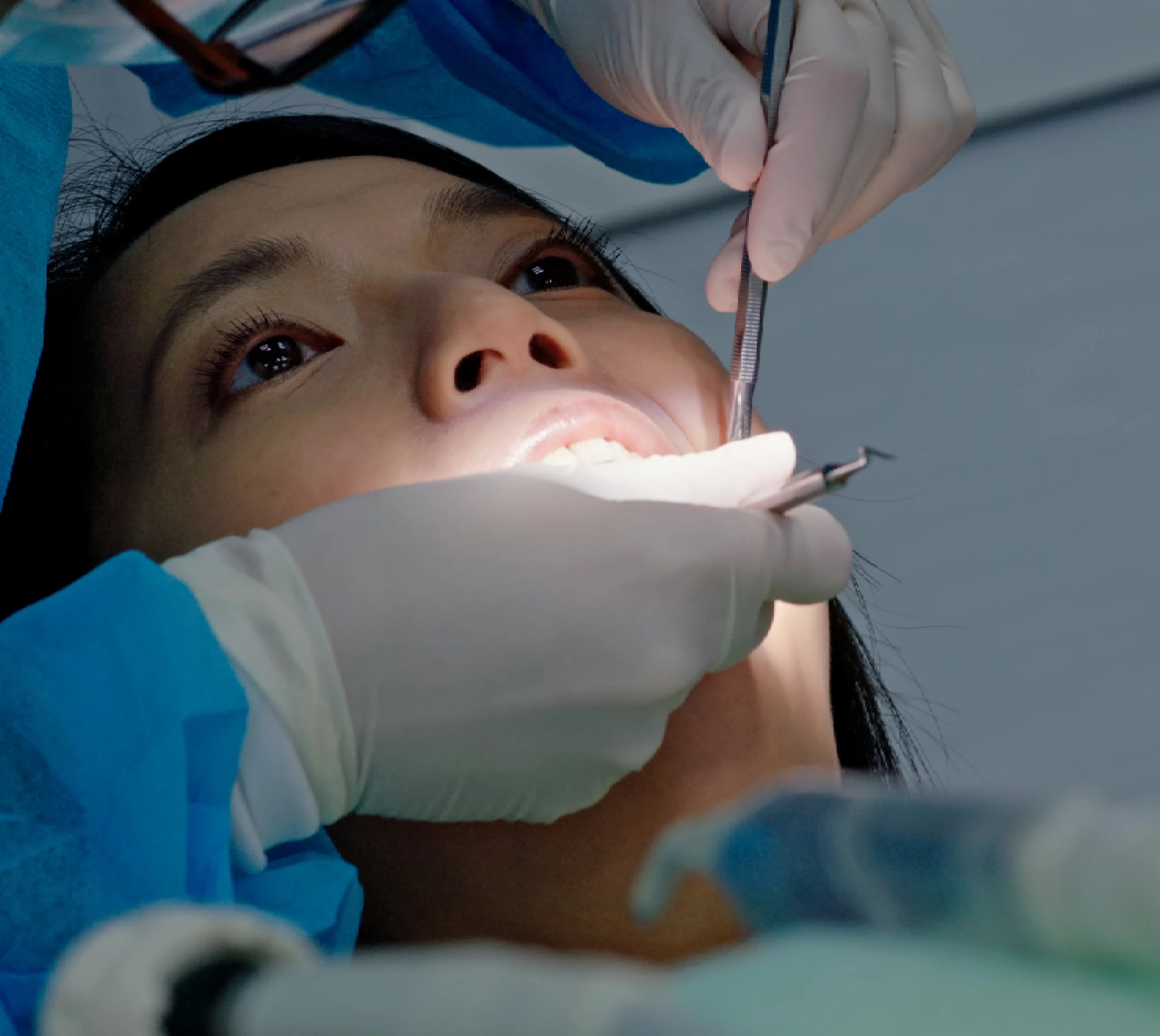
When it comes to replacing missing teeth, dental implants are often considered the gold standard. Offering a natural look, feel, and function, implants have gained widespread popularity among people looking for a long-lasting solution. However, a common question that arises is whether dental implants can cause bone loss.
The answer to this is not entirely straightforward. In most cases, dental implants actually help prevent bone loss. But there are certain circumstances under which bone loss around the implant site can occur. In this article, we’ll explore the relationship between dental implants and bone health in detail.
Factors Influencing Bone Loss Around Dental Implants
While dental implants generally promote bone health, there are instances where bone loss may occur. Understanding the various factors that can contribute to this is important for anyone considering implants. Here’s a closer look at the key reasons:
- Peri-implantitis
Peri-implantitis is the leading cause of bone loss around dental implants. This inflammatory condition, which affects the tissues surrounding the implant, is often caused by bacterial infections resulting from poor oral hygiene. If left untreated, peri-implantitis can lead to significant bone loss, and in severe cases, implant failure. - Insufficient Bone Support
For dental implants to function properly, they require a sufficient amount of bone to support them. If the jawbone lacks density or volume, the implant may not be able to integrate properly. This situation can lead to gradual bone loss over time, particularly if the implant is placed in an area with inadequate bone quality. - Overloading or Excessive Forces
Dental implants are designed to withstand the regular forces exerted during biting and chewing. However, excessive forces, such as those caused by bruxism (teeth grinding) or an uneven bite, can put undue strain on the implant and surrounding bone. This added pressure can contribute to bone loss and instability. - Surgical Technique
The success of a dental implant largely depends on the skill and experience of the oral surgeon performing the procedure. If the implant is placed incorrectly or with substandard surgical techniques, it may damage the surrounding bone, leading to bone loss. - Systemic Factors
Certain health conditions, such as osteoporosis, uncontrolled diabetes, and even smoking, can interfere with the body’s ability to heal and maintain bone health. These conditions can increase the risk of bone loss around dental implants.
How Dental Implants Help Prevent Bone Loss
One of the major advantages of dental implants over other tooth replacement options is their ability to preserve and even stimulate bone growth. Unlike dentures and bridges, which sit on top of the gums, dental implants are surgically placed into the jawbone, where they function as artificial tooth roots.
- Osseointegration: The Healing Process
After a dental implant is placed, the bone surrounding it undergoes a process called osseointegration. During this phase, the jawbone fuses with the surface of the implant, creating a strong, stable connection. This fusion is essential for the implant’s success and ensures that it remains securely in place. - Bone Remodeling: Natural Renewal
The presence of the implant in the jawbone mimics the function of a natural tooth root, providing the necessary stimulation to keep the bone healthy. This stimulation encourages bone remodeling, a process in which old bone tissue is replaced by new bone. This helps maintain bone density and strength in the jaw.
When Can Bone Loss Occur Around Dental Implants?
Although dental implants are generally beneficial for bone health, there are rare situations where bone loss around the implant can occur. The most common cause of bone loss is peri-implantitis, which is similar to gum disease around natural teeth.
Risk Factors for Peri-implantitis
Several factors can increase the risk of peri-implantitis and subsequent bone loss, including:
- Poor Oral Hygiene: Just like natural teeth, dental implants require regular brushing, flossing, and professional cleanings to prevent plaque buildup.
- Smoking: Smoking weakens the immune system and impairs healing, increasing the risk of infections like peri-implantitis.
- Health Conditions: Conditions like uncontrolled diabetes can impair healing and increase the risk of infection, potentially leading to bone loss around the implant.
- Excessive Force: Teeth grinding (bruxism) or an uneven bite can put excessive pressure on the implant, leading to bone resorption.
- Improper Implant Placement: If the implant is not placed correctly, the surrounding bone may be compromised, leading to bone loss.
Do Diabetic Patients Need to Worry About Bone Loss?
If you have diabetes, maintaining good oral hygiene is even more critical. While diabetes doesn’t directly cause bone loss around dental implants, it can affect the body’s ability to heal and fight infections. Uncontrolled diabetes can delay recovery and increase the risk of complications like peri-implantitis, which could result in bone loss.
Individuals with diabetes should work closely with their healthcare providers and dentist to manage their condition effectively and reduce the risk of complications following dental implant surgery.
Conclusion: How to Ensure the Long-Term Success of Your Dental Implants
Dental implants are a reliable and effective solution for replacing missing teeth, with the added benefit of helping to prevent bone loss. However, just like any medical procedure, it’s essential to follow proper care guidelines to ensure long-term success.
By maintaining good oral hygiene, attending regular dental check-ups, and following the post-care instructions from your dentist, you can minimize the risk of bone loss around your dental implants. Should you have concerns about the health of your implants or suspect any bone loss, it’s important to consult with your dentist or an implant specialist for an evaluation and tailored treatment plan.
Book Your Dental Implant Consultation Today
Are you ready to restore your smile with dental implants? Contact our experienced team at [Your Dental Clinic Name] today to schedule a consultation. We’re here to answer all your questions and help you make the best decision for your oral health.
FAQs (H2)
Do dental implants damage the bone?
Dental implants do not damage the bone when placed correctly. However, if they are positioned incorrectly or if systemic conditions like osteoporosis are present, bone loss can occur.
Are dentures better than implants?
While dentures are a more affordable option, dental implants offer superior comfort, stability, and function, with the added benefit of preserving bone health.
What happens if you wait too long to get a dental implant?
Delaying the placement of a dental implant can lead to significant bone loss, which may require bone grafting to restore the site before an implant can be placed.