
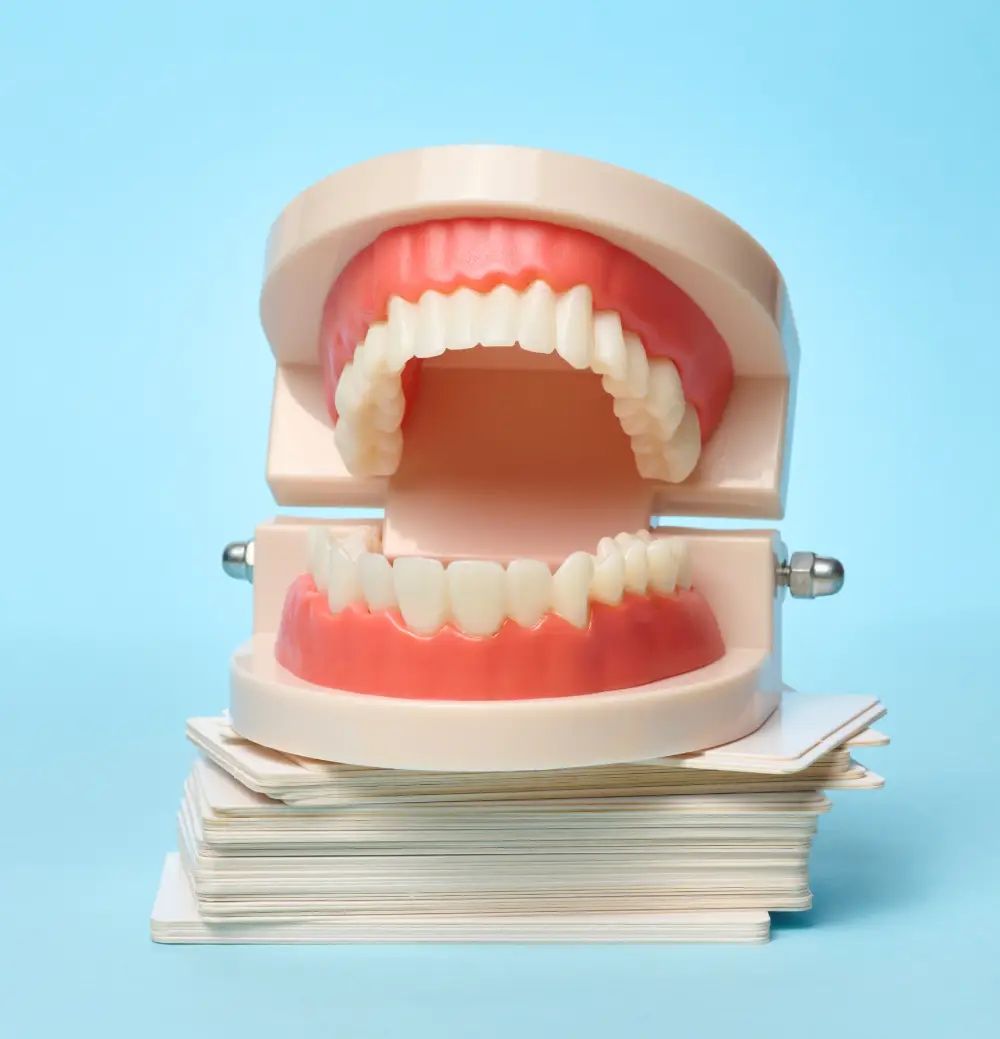
Wearing dentures is more common than most people realize. Whether you need a full set of dentures or just a few teeth replaced, dentures are a viable solution for almost every dental scenario. Surprisingly, around 90% of individuals without natural teeth use dentures, making them an essential part of restoring oral health and function.
These prosthetic devices offer an effective and natural-looking solution to replace missing teeth, allowing individuals to speak and chew confidently once more. Whether you require a partial or full set of dentures, advancements in dental technology have made them more comfortable, realistic, and functional than ever before. However, choosing the right type of dentures for your specific needs requires careful consideration, and a consultation with a skilled dental professional is crucial.
At Ammons Dental, our experienced team is dedicated to helping patients regain normal oral function and aesthetics after tooth loss. We offer personalized care, guiding you through your options and ensuring you make an informed decision.
Which Type of Denture is Right for You?
Selecting the right type of dentures involves various factors, including the number of missing teeth, your oral health, lifestyle preferences, and budget. Collaborating with your dentist will help identify the best denture type for your situation. Here’s a breakdown of the main options:
- Partial Dentures: Best for those missing a few teeth.
- Complete Dentures: Ideal for those who are missing all teeth in a specific arch (upper or lower).
- Implant-Supported Dentures: A more permanent and stable solution, suitable for patients seeking long-term comfort and reliability.
Each of these types has distinct benefits, and the cost can vary based on the materials used and the complexity of the treatment. Your dentist will assess your specific needs and discuss the most appropriate options with you.
The Three Types of Dentures
1. Complete Dentures: Restoring a Full Smile
Complete dentures are designed for patients who have lost all teeth in one or both arches. These dentures are custom-made to fit securely over the gums, offering both aesthetic and functional benefits. Modern complete dentures are more comfortable and natural-looking than ever before, thanks to advancements in materials and technology.
Advantages:
- Restores both the appearance and functionality of missing teeth.
- Enhances speech, chewing, and overall quality of life.
- Custom-fit to create a natural smile.
Challenges:
- Some individuals may experience initial discomfort while adjusting.
- Retention may be more challenging for the lower arch, often requiring adhesives.
- Regular adjustments are necessary to maintain a proper fit.
2. Partial Dentures: Filling the Gaps
Partial dentures are designed to replace one or more missing teeth while preserving the remaining natural teeth. These dentures are typically attached to a pink or gum-colored base made from acrylic or metal. They are secured in place using clasps or precision attachments that grip neighboring teeth, providing both stability and comfort.
Advantages:
- Helps maintain the alignment of remaining natural teeth by filling the gaps.
- Improves chewing and speaking ability.
- Provides a natural-looking smile without the need for a full set of dentures.
Challenges:
- May require periodic adjustments to ensure a proper fit.
- Good oral hygiene is essential to avoid plaque buildup around the remaining teeth.
- Clasps or attachments may be visible, affecting the aesthetic appearance.
3. Implant-Supported Dentures: A Long-Term Solution
Implant-supported dentures are the most advanced option available for replacing missing teeth. Unlike traditional dentures, which rest on the gums, these dentures are anchored securely to dental implants surgically placed into the jawbone. The implants provide unmatched stability and eliminate the common issues associated with conventional dentures, such as slippage or discomfort.
Advantages:
- Provides superior stability, preventing slippage during speaking or eating.
- Preserves jawbone health by preventing bone loss.
- Offers long-term comfort and functionality.
Challenges:
- Requires a surgical procedure for implant placement.
- Higher initial cost due to the implant procedure.
- Not all patients are candidates for implants, depending on bone density.
Why Consult with a Dentist for Denture Guidance?
Selecting the right dentures depends heavily on your specific needs, preferences, and health condition. Only a professional dentist can assess your oral health, provide personalized recommendations, and help you make an informed decision about which type of denture is best for you. Consulting with a dentist will also ensure proper fitting, maintenance, and any necessary adjustments in the future.
At Ammons Dental, we offer expert guidance to help you navigate the process of choosing and wearing dentures. Whether you need a complete set, partial dentures, or are considering implant-supported options, our team will be there to support you every step of the way.
Explore Denture Options at Ammons Dental
At Ammons Dental in Camden, SC, we pride ourselves on delivering top-quality dental care tailored to your individual needs. Whether you’re seeking complete dentures or partial dentures, we offer solutions that will restore both the functionality and aesthetics of your smile. Our skilled dental team is ready to guide you through your options, ensuring that you receive the best treatment available.
Schedule an appointment online or contact us directly to begin your journey to a brighter, healthier smile with the right dentures for you.
Frequently Asked Questions
- What are the most natural-looking dentures?
Porcelain is widely regarded as the most natural-looking material for dentures. It closely mimics the appearance of natural tooth enamel, offering both strength and aesthetics. Composite materials, on the other hand, are more resistant to wear and staining, providing a durable yet lifelike appearance. - Are flexible dentures more expensive?
Flexible dentures can range from $700 to $3,000, depending on factors such as the brand, the number of teeth being replaced, and your dentist’s pricing. While they can be more expensive than traditional dentures, their flexible nature and comfort make them a valuable option for many patients. Dental insurance may help offset some of the costs. - Can you sleep with flexible dentures?
Initially, you may be required to wear your dentures constantly, even while sleeping. However, after your mouth adjusts, it is recommended to remove them at night to give your gums a rest and maintain optimal oral health. This practice can help prevent irritation and other complications in the long run.